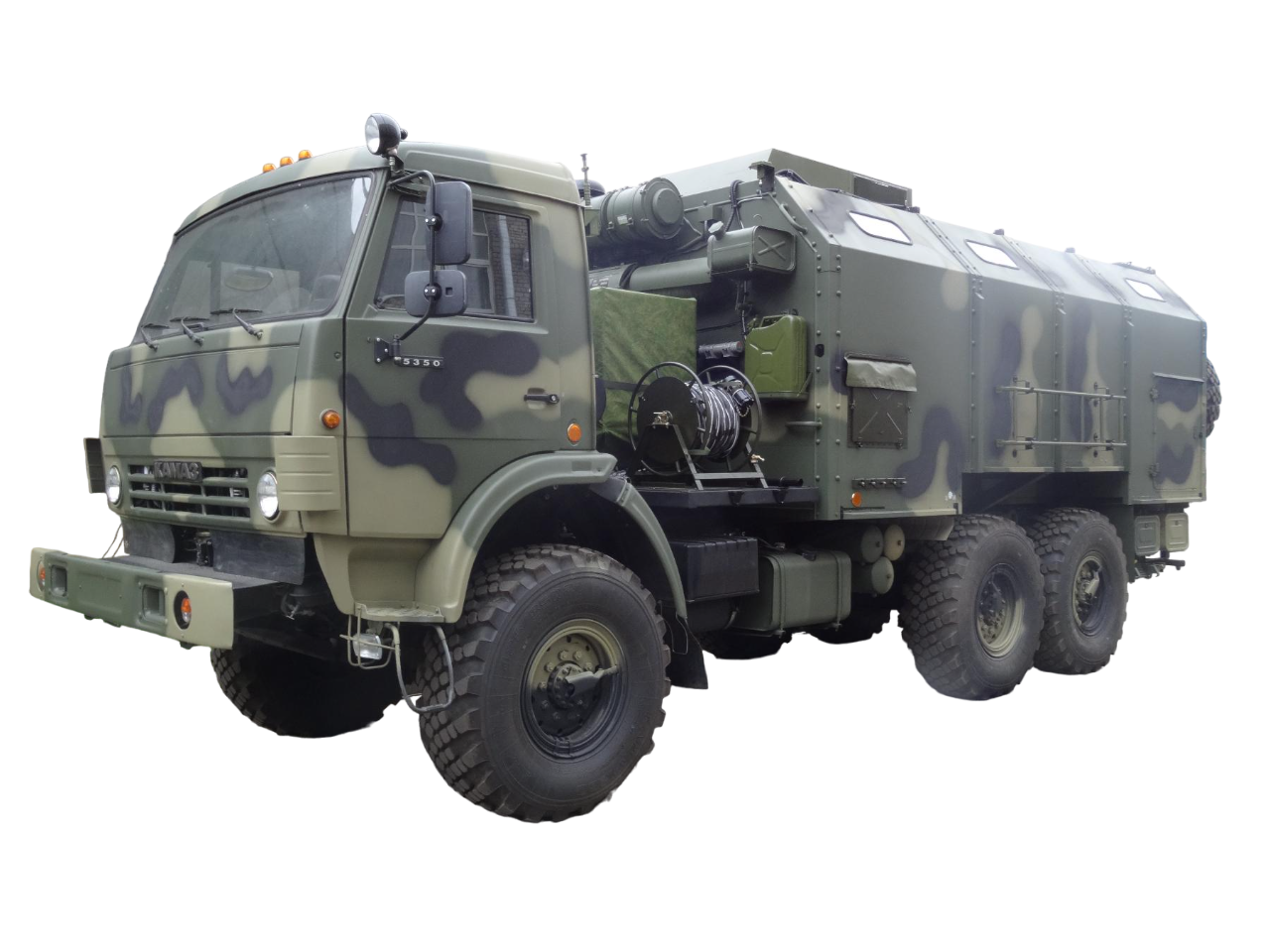
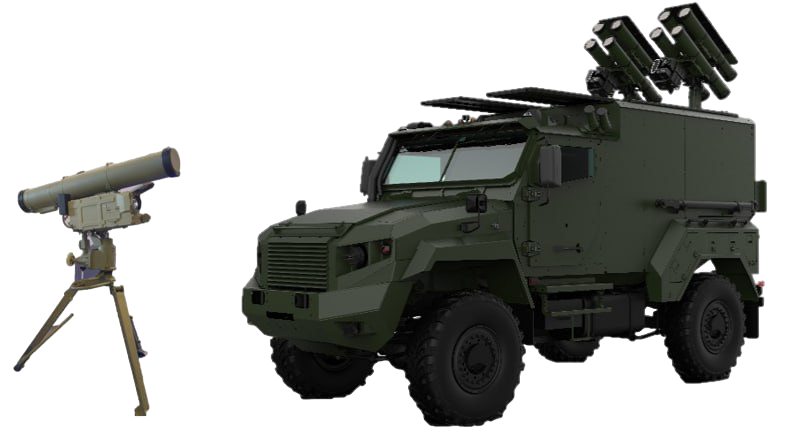
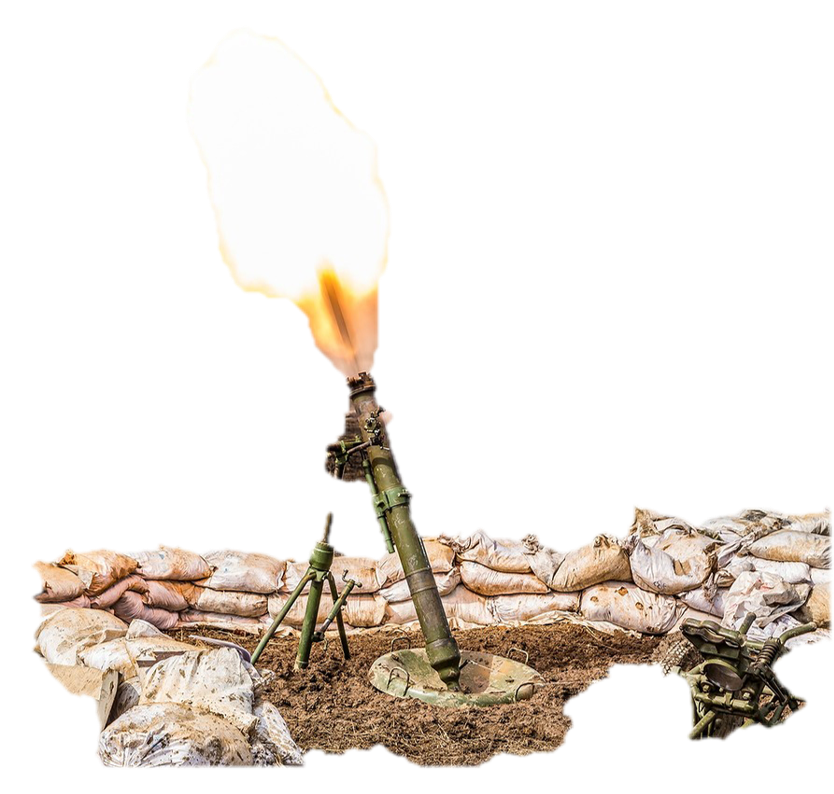
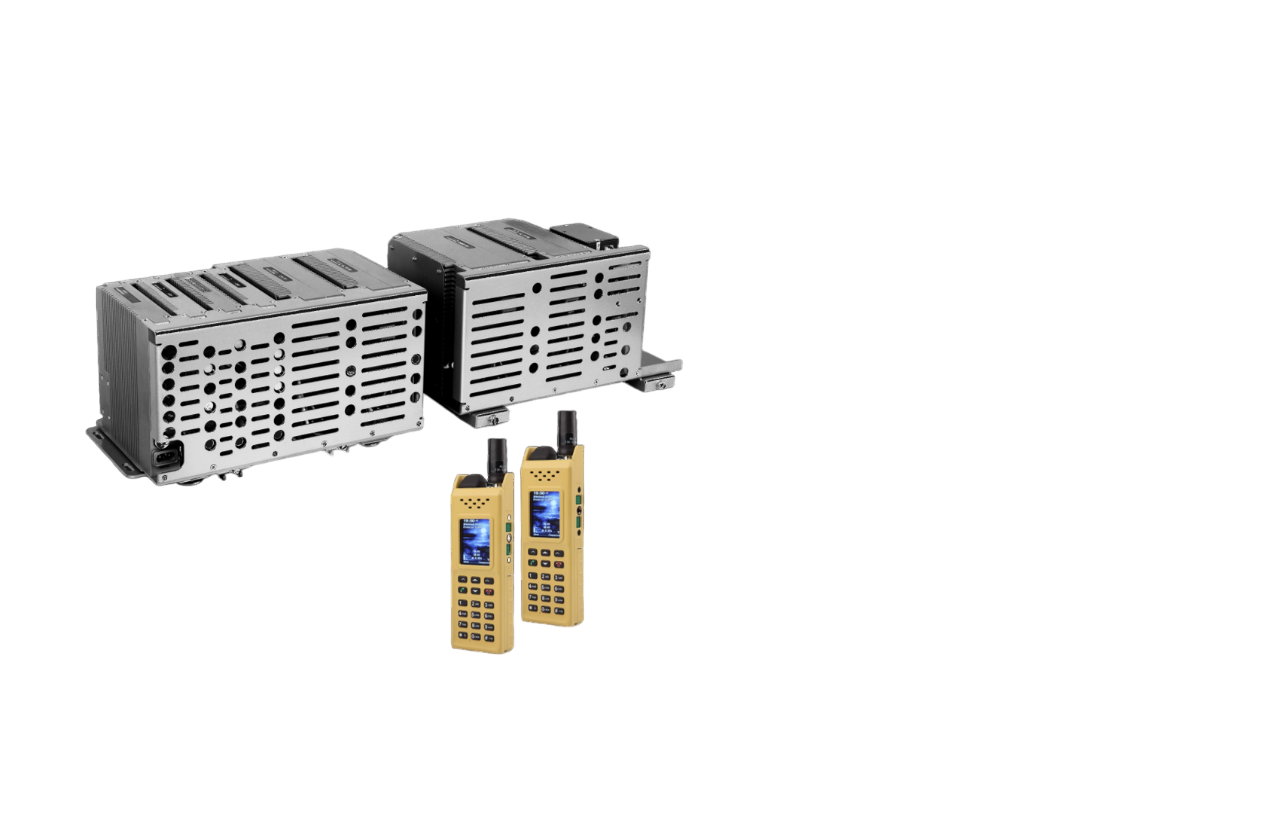
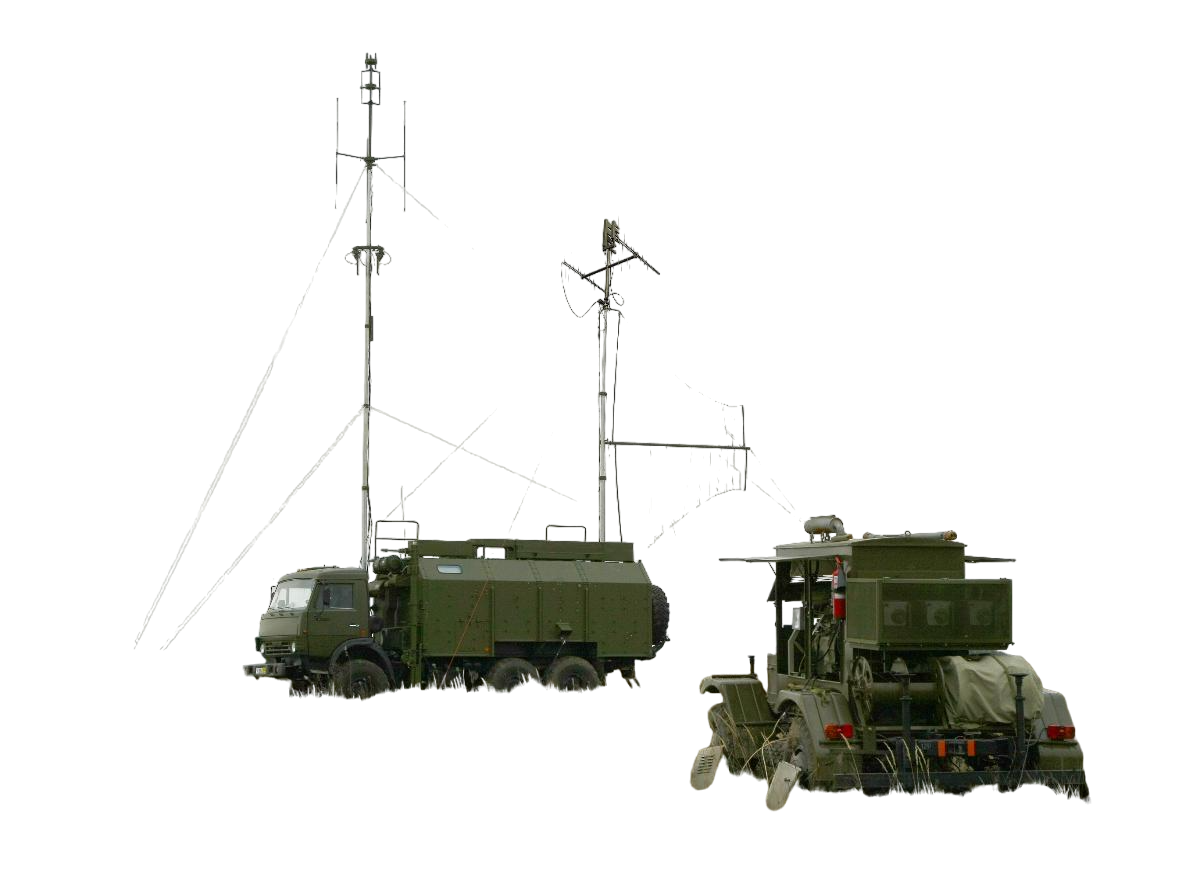
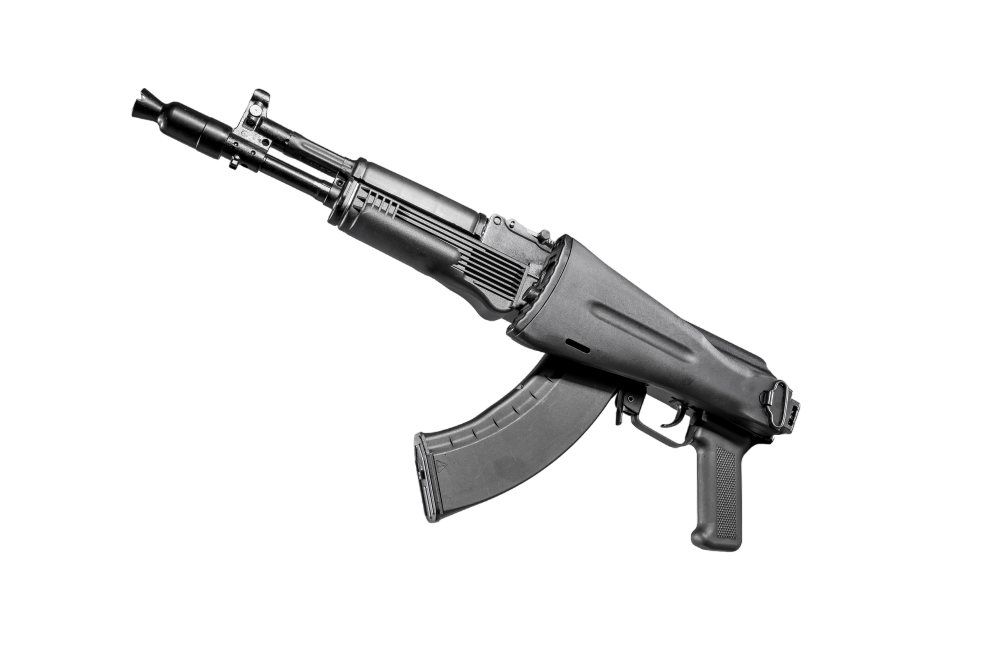
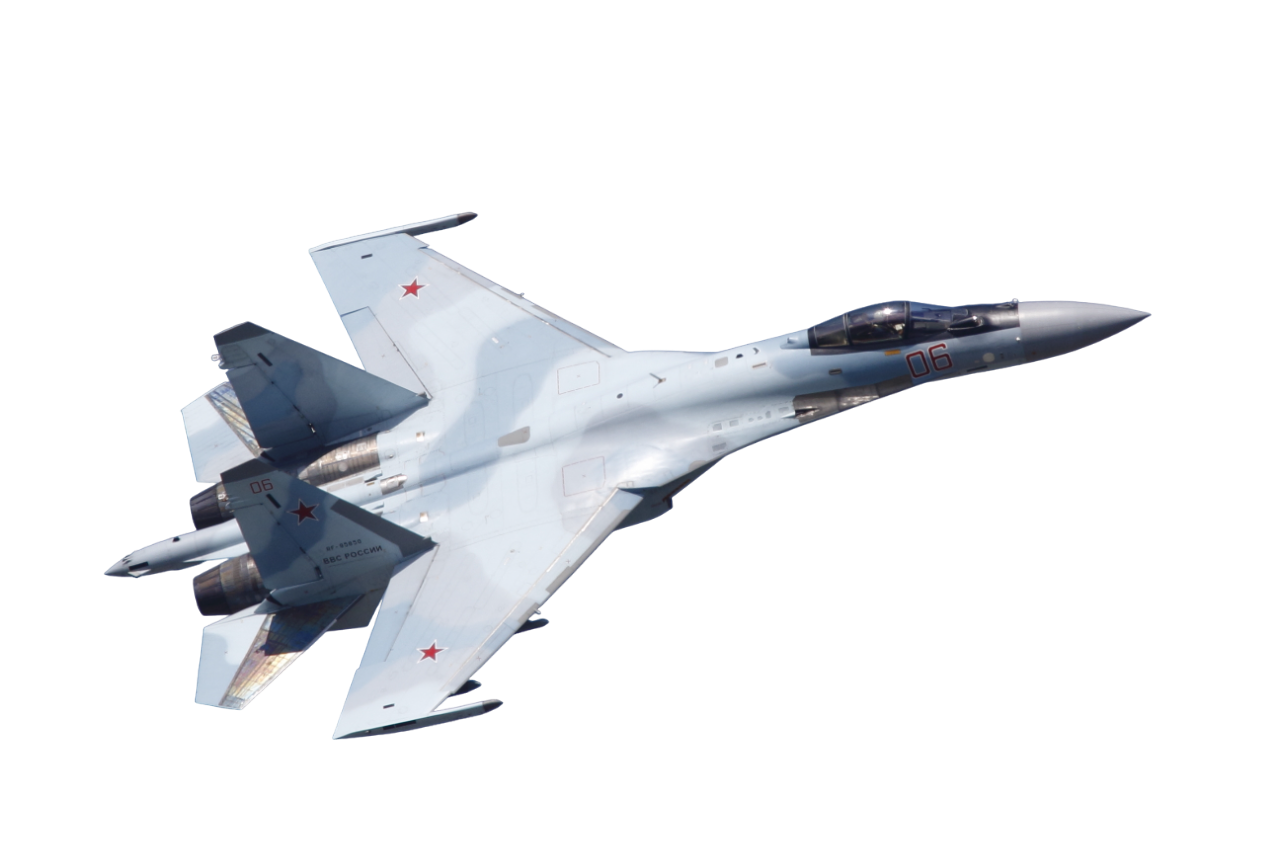
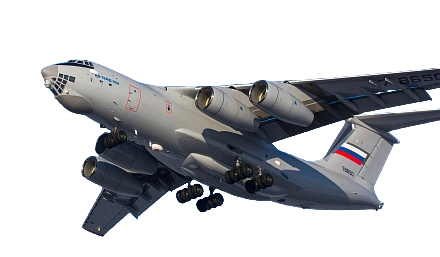
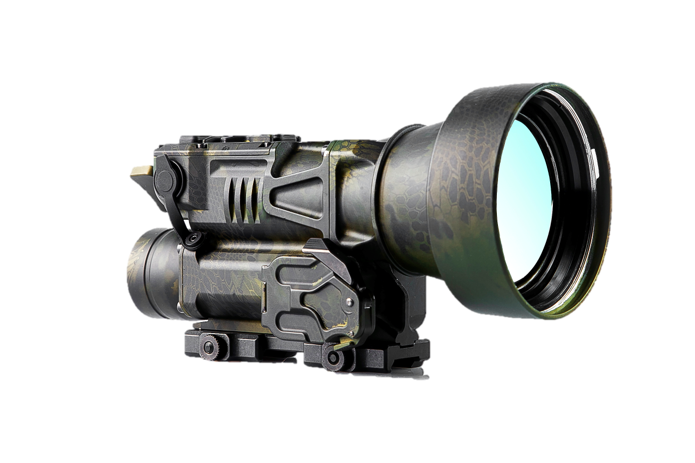
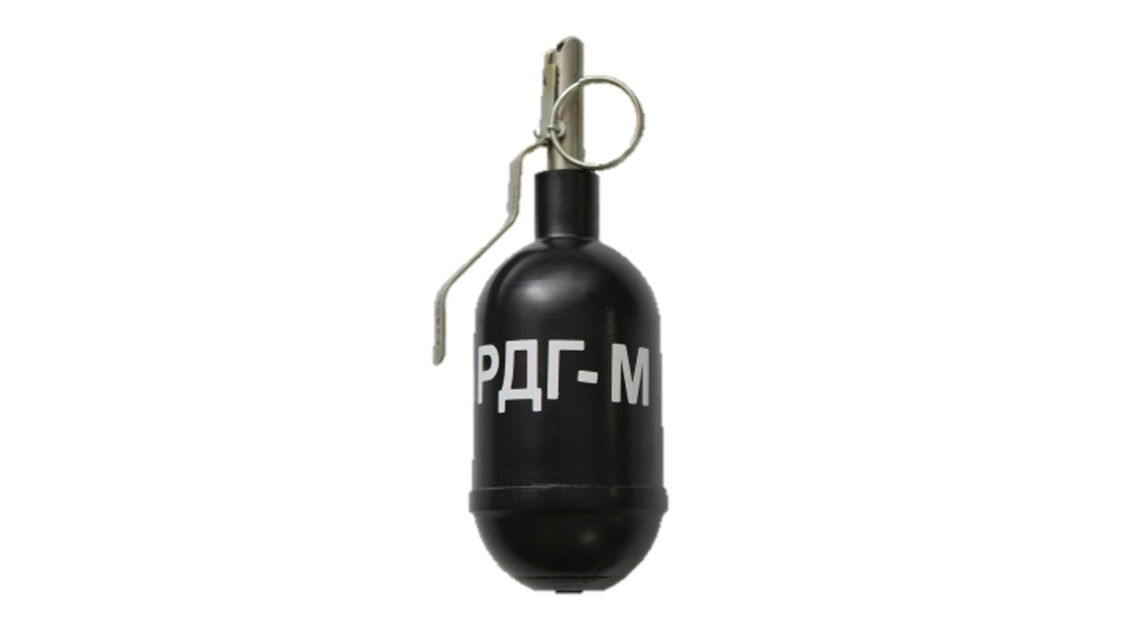
In the late 19th and early 20th century, Russia was considered a technologically backward country and imported the bulk weapons from Western countries. However, the 20th century saw a dramatic growth of national industry. Within a short historical period, Russia turned into a major power with an enormous military-technical potential and one of major exporters of modern arms and military hardware, i.e. the most advanced hi-tech type of industrial products.
This contributed to implementing the sovereign right of every partner state of Russia to individual and collective defense, in accordance with Article 51 of the Charter of the United Nations, as well as to preserving and strengthening Russia's role in the world. For Russia, MTC with other states has become a special area of foreign trade activity located at the intersection of global politics and world arms trade. The important goals of Russia's MTC with foreign countries today are to strengthen the country's military and political positions in various regions of the world, as well as to maintain the necessary level of export potential in the international arms market. Therefore, specialists working in this field are continually improving the forms and methods of their activities.
The world today is dynamically evolving and the content of MTC is gradually changing. The relations of purchase and sale of weapons and military equipment are being transformed into their joint development, production, sale and service with partners. The results of this activities are determined by the flexibility of the laws governing the military-technical cooperation system, the ability of enterprises to develop and manufacture military products that are competitive in terms of cost-effectiveness, as well as by ensuring proper and continued support of researchers, designers, engineers, technicians and workers who create these products from the state.
In fact, the modern process of exporting military products includes an analysis of the global market conditions, identification of the needs of a particular buyer country, targeted marketing, preparation of commercial proposals, multi-stage and often lengthy negotiations, conclusion of contracts, production and delivery of weapons to the customer, and subsequently their after-sales service and modernization. In addition to these main stages, there are many important nuances on which the fate of multibillion-dollar contracts and Russia's credibility as a reliable partner in the world sometimes depend.